
Interior Designing
Interior Designing
Interior design is the art and science of transforming spaces to be both beautiful and functional, promoting health and aesthetic appeal. It combines creativity and technical skill, with a focus on elements like color, lighting, furniture, textures, and layout to establish the desired atmosphere and purpose for each area.
Interior design blends creativity and functionality to make spaces attractive, comfortable, and practical. By thoughtfully arranging color, lighting, furniture, and textures, designers create environments that enhance well-being and align with the space's intended purpose.
Key aspects of interior design include:
Space Planning : Organizing and arranging furniture and decor within a space to make the best use of its dimensions. This includes considering pathways, focal points, and functionality to maximize comfort and usability.
Color Scheme :Choosing colors that evoke specific emotions and complement each other, whether creating a calm atmosphere with soft hues or a vibrant energy with bold tones. Colors can visually expand or contract a space, setting the mood and tone of the room.
Lighting :Incorporating natural and artificial lighting in a way that highlights focal points, creates ambiance, and supports functionality. Lighting adds warmth and depth, with different fixtures and brightness levels tailored to specific tasks and aesthetics.
Furniture and Decor : Selecting and arranging furniture, art, and decor pieces that align with the room's purpose and style, ensuring a cohesive and balanced look. Functional furniture pieces, complemented by decor, add personality and life to the space.
Textures and Materials :Using various textures and materials—from fabrics and metals to woods and ceramics—to add depth and contrast. This can create a sensory experience, inviting touch and visual interest.
Theme and Style :Following a consistent style, whether modern, traditional, rustic, or eclectic, helps unify the look. Each design element should complement the overall theme, reflecting personal taste and preferences.
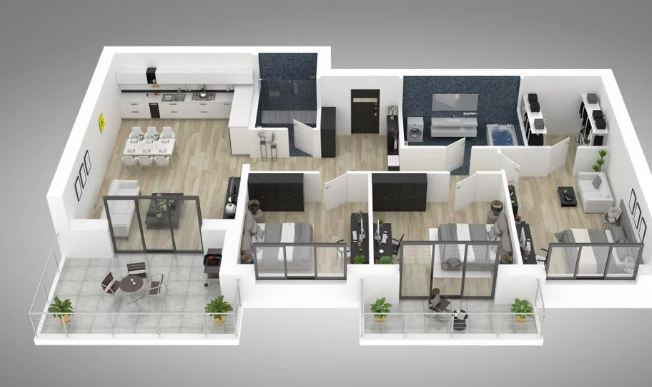
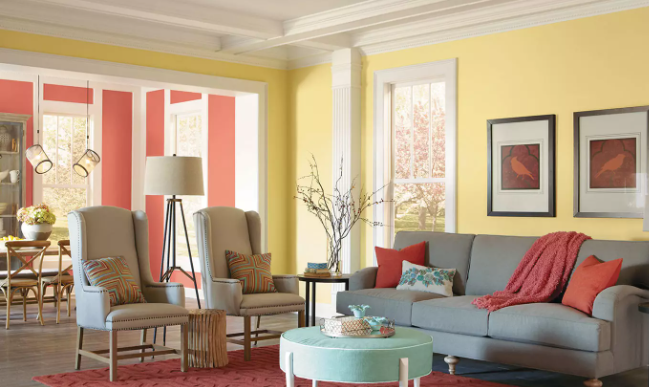
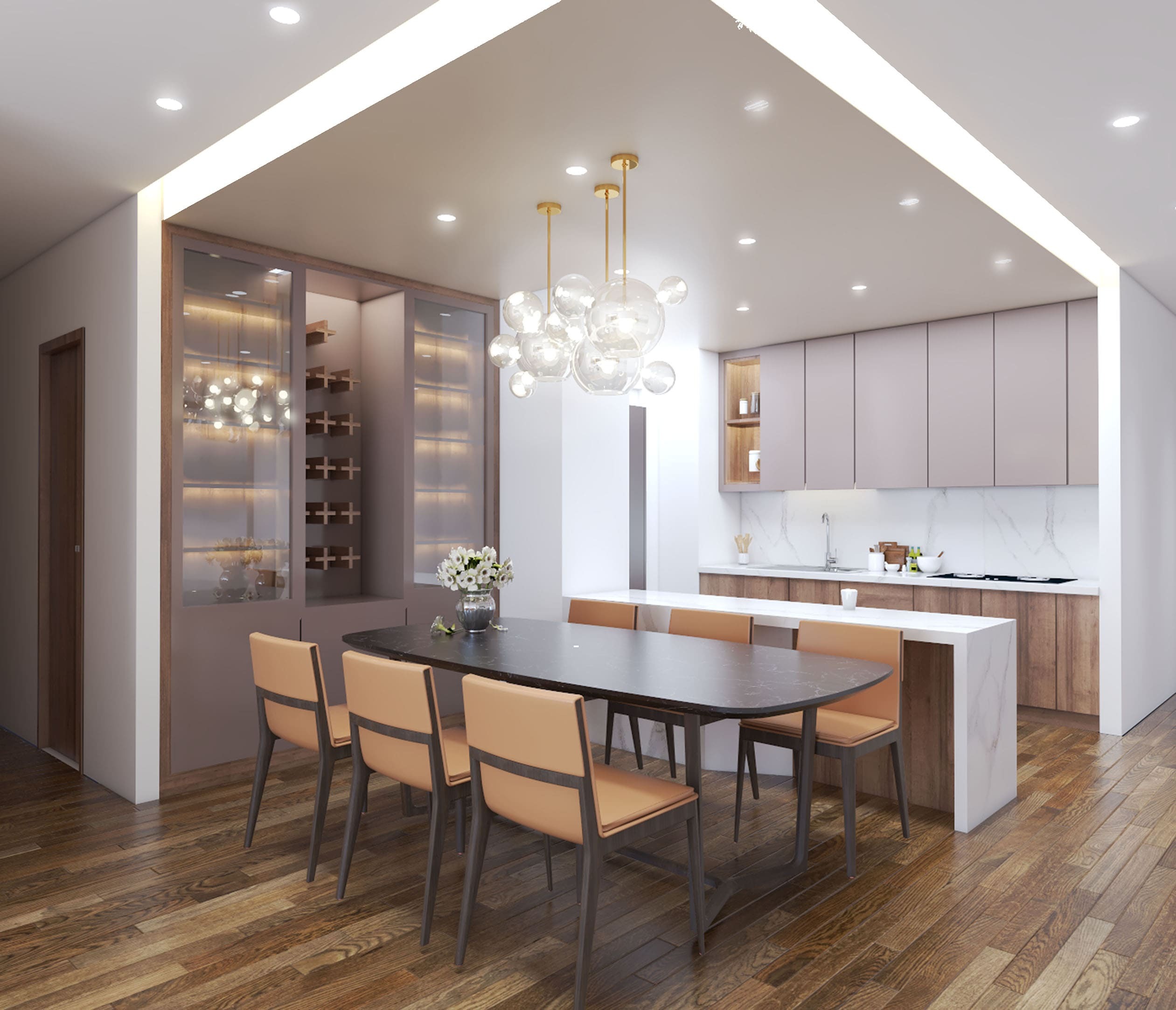


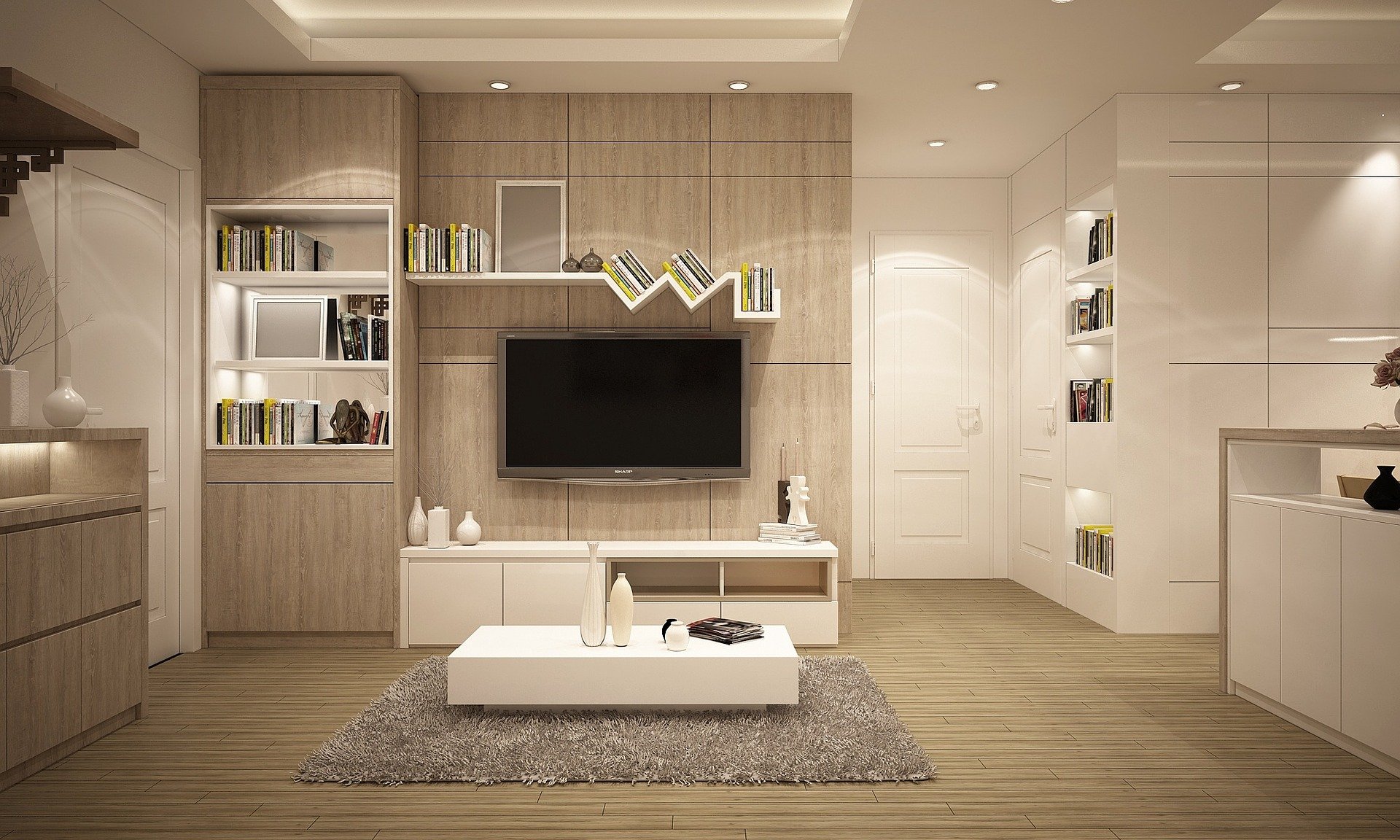
Interior design not only beautifies a space but also optimizes it for comfort, practicality, and emotional impact. The ultimate goal is to create a harmonious environment where every design element works together to serve both function and form.
Dbali Real Estate has helped thousands of clients find the perfect property to meet their needs.
- 214 West bareilly,U.P
- +91 8630835635 , +91 9012138044
- d.bali@dbali.in
- a.bali2676@gmail.com
- Mon - Sun / 9:00AM - 8:00PM